 Slappey & Sadd LLC Home


Car Accidents
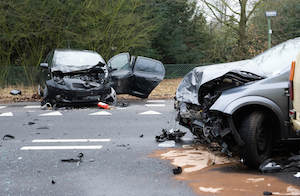 Slappey & Sadd, LLC is an Atlanta based personal injury law firm that successfully handles Auto & Truck Accidental Personal Injury Cases and other Personal Injury Cases resulting in wrongful death or severe injuries that may permanently impact your quality of life, income, or long-term health. Slappey & Sadd, LLC is an experienced, high quality law firm. Our Atlanta car accident lawyers are careful in deciding which cases to pursue, so we can focus on helping the people who have suffered the most serious harm as a result of clear cases of negligence. To the clients and cases we pursue, we commit the full financial, legal, and emotional resources of our firm.
My perspective is that Scott and Jay and their staff are very caring. They are superb. My husband did not survive a car accident. I was treated with respect and compassion when I needed it the most…..those were very horrible years for me. Thanks for all who were patient with me and my grief. -NP
If you’ve been in a car crash, the consequences can be life-altering. An experienced, high quality car accident injury or wrongful death lawyer can make a difference in your recovery.
Accident Injury AttorneyIf you have suffered a severe personal injury in a wreck with an auto or truck, let Slappey & Sadd, LLC review your case before filing a claim or settling with an insurance company. The insurance company settlement process is established to represent the insurance company’s best interest for any car or truck accident, not yours. Slappey & Sadd, LLC will evaluate your case and answer all of your questions before pursuing a lawsuit on your behalf.
If you or a loved one has been injured in a car accident, you need an experienced car accident lawyer to help you get the financial compensation you deserve. Our Atlanta car accident attorneys handle our clients’ cases on a contingency fee basis. We will only get paid when we recover for you.
Even the best drivers are subject to automobile accidents. Therefore, everyone should know what steps to take immediately following an accident to protect the life, limb, property and legal rights of those involved. Doing the right thing, in the right way, at the right time may save a life, and it will often avoid legal problems. Here are the steps to take if you are involved in an accident with another vehicle or pedestrian.
- Stop Your Car
Never leave the scene of an accident in which you or your car are involved. No matter how slight the collision, if you fail to stop you may subject yourself to criminal prosecution even though the accident was not your fault. Stop your car as soon as possible without further endangering any person or property and without obstructing traffic. Do whatever is necessary to warn oncoming traffic, in order to prevent further accidents. If possible, station someone in a position to warn approaching vehicles. At night, use flares or reflectors or your flashlight. - Assist the Injured
If possible, have someone call an ambulance or doctor at once. A telephone operator can locate help for you. Remember that in getting aid it is necessary to fix your location accurately so that help will reach you without delay. Therefore, it is necessary that the person seeking help know the name and number of the road on which the accident happened, the location of the cars along the road and the direction in which they were traveling. Render first aid only if you are qualified. You normally should not move in the injured person. Keep him or her warm by covering him or her with blankets or coats. If there is any bleeding, stop it by applying pressure or a tourniquet. Do not give an unconscious person anything by mouth. - Call the Police
Police officers are trained to handle any situation that may arise after an accident. If you are involved in an accident, even though not physically injured, you may suffer from shock and excitement which makes it difficult for you to think clearly at the time.
If the accident occurs within a city or town, call the city police. If it occurs on an open highway, call the nearest office of the Georgia State Patrol or the sheriff’s office. When the police officer arrives, tell him or her briefly the basic facts (see Number 7). The report may help you if a liability claim is made. - Identify the Driver
Obtain the other driver’s name, address and registration number of the vehicle that he or she is driving. Also ask to see his or her driver’s license. If possible, obtain the name of the insurance companies and the policy numbers covering the other car(s) in the accident. - Witnesses
Obtain names and addresses of all passengers in all cars involved in the accident. Obtain names and addresses of all eyewitnesses. Attempt to obtain from these witnesses a statement as to what happened and have them, if they will, write it down at the scene. Always have a pencil and pad of paper, as well as this pamphlet, in the glove compartment of your car. - Take Notes — Fill Out Accident Form and Diagram
Make your own written notes on all significant circumstances concerning the accident. Show the position of the cars after the accident. Step off exact distances of skid marks and other important distances. Later, it is important for you to be able to point out where on the road the vehicles collided and where they came to a stop. If you or someone else has a camera at the scene, take pictures to preserve skid marks, the position of cars and other physical evidence that will disappear after the accident. Fill out the Accident Information Form and Diagram in this folder so far as it is appropriate to the type of accident in which you are involved an the particular circumstances. - Comments
Do not comment on the accident. Keep your notes and information strictly to yourself. Admit nothing and sign nothing even if you think you are wrong. You may learn later that you were not in the wrong or that the other driver was equally responsible. Your emotions at the time of the accident may deceive you. If at a later date facts clearly show that you alone were wrong, that is the time to admit the blame. - Arrest
An arrest at the scene does not necessarily indicate civil liability. An arrest in connection with an automobile accident cannot ordinarily be used later in a suit for damages. Any statement may be used as an admission, so it is important that you contact your lawyer before making a statement. - When to Leave the Scene
Unless your injuries require otherwise, do not leave the scene of the accident until you have assisted the injured, protected the scene, called the police and assisted them, identified the other driver(s), obtained the names, addresses and statements of all witnesses, made notes and filled out the Accident Information Form and Diagram at the bottom of this page. - See a Doctor
See your doctor immediately and ask your passengers to do likewise. - Reports
Georgia law no longer requires a person involved in an accident to make a written report to the Georgia Department of Public Safety. You should immediately call your insurance representative and send written notice as soon as possible. The notice should contain sufficient information concerning the time, place and circumstances of the accident, as well as the names of any persons who were injured or witnessed the accident. Failure to notify your insurance company in writing within a reasonable time may constitute grounds for the insurance company to avoid all coverage for your accident. It is therefore essential that you report the accident immediately. - Claims Made Against You
Refer all persons making claims against you to your insurance company. Make no payments or promises to pay any claimant. Any such payments are made at your own risk. Forward all papers served on you to your insurer immediately. If the coverage you have purchased is inadequate to cover the claims made against you, consult your personal attorney at once. 404.255.6677
Your liability insurance policy may also include provisions for payments to you and your passengers for medical expenses, which will apply regardless of fault. If you make a claim for property damage or personal injuries arising out of the accident, be sure before you settle that any offer made to you is fair and reasonable. Your attorney is best equipped to advise you as to your rights and the fairness of the settlement offer.
If another motorist is at fault in an accident, a car accident lawyer in Atlanta can help you make legal claims against him or her for personal injuries, which are generally measured by your medical expenses and lost wages caused by the accident and an amount which may be determined by the jury for pain and suffering under specialized circumstances other types of damages may be recoverable.
Property DamageClaims for vehicle damage are covered by your own collision or comprehensive policy, if you have one. If another motorist is at fault in an accident, you may sue him or her for property damage to your car regardless of whether you can sue him or her for your bodily injury.
Car AccidentsCar accidents are one of the most common causes of injuries and fatalities in the U.S. They often inflict such serious injuries that their consequences can be life changing. Those who are badly hurt may have to be cared for by someone else for the rest of their lives. Car accidents take place for a number of reasons including:
- Driver inattention;
- Driving under the influence of drugs and alcohol;
- Speeding;
- Running a stop sign/red light;
- Reckless driving.
Driver inattention has long been the cause of car accidents. In the past, this has mainly been associated with falling asleep behind the wheel, eating and drinking and the driver not keeping his or her eyes on the road. More recently the introduction of mobile technology has been implicated in a driver momentarily losing attention such as cell phone use, GPS use and more recently IPads and tablets. Most states have introduced laws to restrict cell phone use at least, but often it is hard for law enforcers to detect and once it is found that a car accident has taken place because the driver has been texting, it’s too late.
Driving while drinking or taking drugs is illegal in all states in the U.S. but this doesn’t stop people stepping into their cars when they have drunk too much and losing control of their vehicles causing devastating accidents.
SpeedingDespite road signs indicating the safe driving speed for an area, some drivers take advantage and either speed because they are in a hurry or because they enjoy doing so. This sort of recklessness can have the most serious outcome as anyone who is sharing the road with a speeding driver who loses control the impact can cause serious damage to both the vehicles and life threatening injuries or fatalities to any drivers or passengers involved.
Running a Stop Sign/Red LightStopping at a red light or stop sign at an intersection is obligatory and anyone who is caught taking part in this act will be handed out a citation but this may be when it is too late and people have either been killed or seriously injured as a result of someone else’s action.
Reckless DrivingReckless drivers are some of the most dangerous on the road as they get into their cars with little or no intention of following driving rules. They take risks and avoid traffic signs without thinking what damage they could inflict. There are serious consequences if a reckless driver is stopped by a police officer such as driving license suspension, heavy fines and even prison terms but this doesn’t stop them and they cause fatalities and injuries on the roads every day.
Injuries in Car AccidentsOne of the commonest injuries in a car accident is whiplash when an inattentive driver fails to stop when coming up behind another car and the occupants, taken by surprise, fail to brace themselves for the impact. Apart from this back, spine, neck and torso injuries are common too as well as broken bones and traumatic brain injuries. Severe burning can occur if the car explodes on impact. All these injuries can affect the victim both personally and financially and may remain for the rest of the victim’s life.
Personal Injury Claims are PossibleFortunately, virtually all states in the U.S. have some protection for victims of car accidents that were not their fault. Car accident victims may be able to file a compensation claim against the driver who caused the injury if negligence can be proven. If you have been injured in a car accident it is important to contact a car accident attorney in Atlanta who will pursue a claim on your behalf to cover you for hospital costs, loss of wages and even pain and suffering. You normally don’t need to worry about upfront fees as most attorneys work on a contingency fee basis, meaning the legal fees are paid on settlement. In most states a statute of limitations applies which is normally 2 or 3 years after the injury has taken place. This means that the claim must be filed within that period to have any validity.
Insurance Companies Slappey and Sadd has Worked with in the Past- AIG
- Allstate
- American Automobile Association
- American Family Insurance
- American National Insurance Company
- Amica
- Arbella
- Assurant Employee Benefits
- Auto-Owners Insurance
- CapitalOne
- CNA Financial
- Colonial Life
- Commerce Insurance Group
- COUNTRY Financial
- Chubb Corporation
- Encompass
- Erie Insurance Group
- Esurance
- Evergreen USA RRG
- Farmers Insurance
- GEICO
- Genworth
- GMAC Insurance
- Hanover Insurance
- The Hartford
- Infinity Auto Insurance Company
- John Hancock Insurance
- Liberty Mutual
- Merchants Insurance Group
- Metropolitan Life Insurance Company
- Mutual of America Life Insurance Company
- Mutual of Enumclaw
- Mutual of Omaha
- Nationwide Insurance
- OneBeacon Insurance Group
- Pemco
- Principal Financial Group
- Progressive
- Prudential Financial
- Regence Group
- Safe Auto Insurance Company
- Safeco
- Safeway Insurance Group
- Selective
- Shelter Insurance Companies
- Standard Insurance Company
- State Farm Mutual Automobile Insurance Company
- The Travelers Companies, Inc.
- Unitrin Direct Auto Insurance
- USAA
- Westfield Insurance
- Aggressive Driving and Road Rage
- Auto Accident Insurance
- Car Accident Settlements
- Crosswalk Pedestrian Accident
- Distracted Driving Accidents
- Drunk Drivers
- Head-On Collisions
- Hit and Run Accident
- Intersection Accidents
- Lyft Accidents
- Multiple Vehicle Accidents
- Parking Lot Collision
- Rear-End Accidents
- Ride-Sharing Accidents
- Road Defects
- Road Rage Accidents
- T-bone Accidents
- Taxicab Accidents
- Texting and Driving Accidents
- Uber Accidents
- Uninsured Motorist Claims
- Vehicle Defects


